
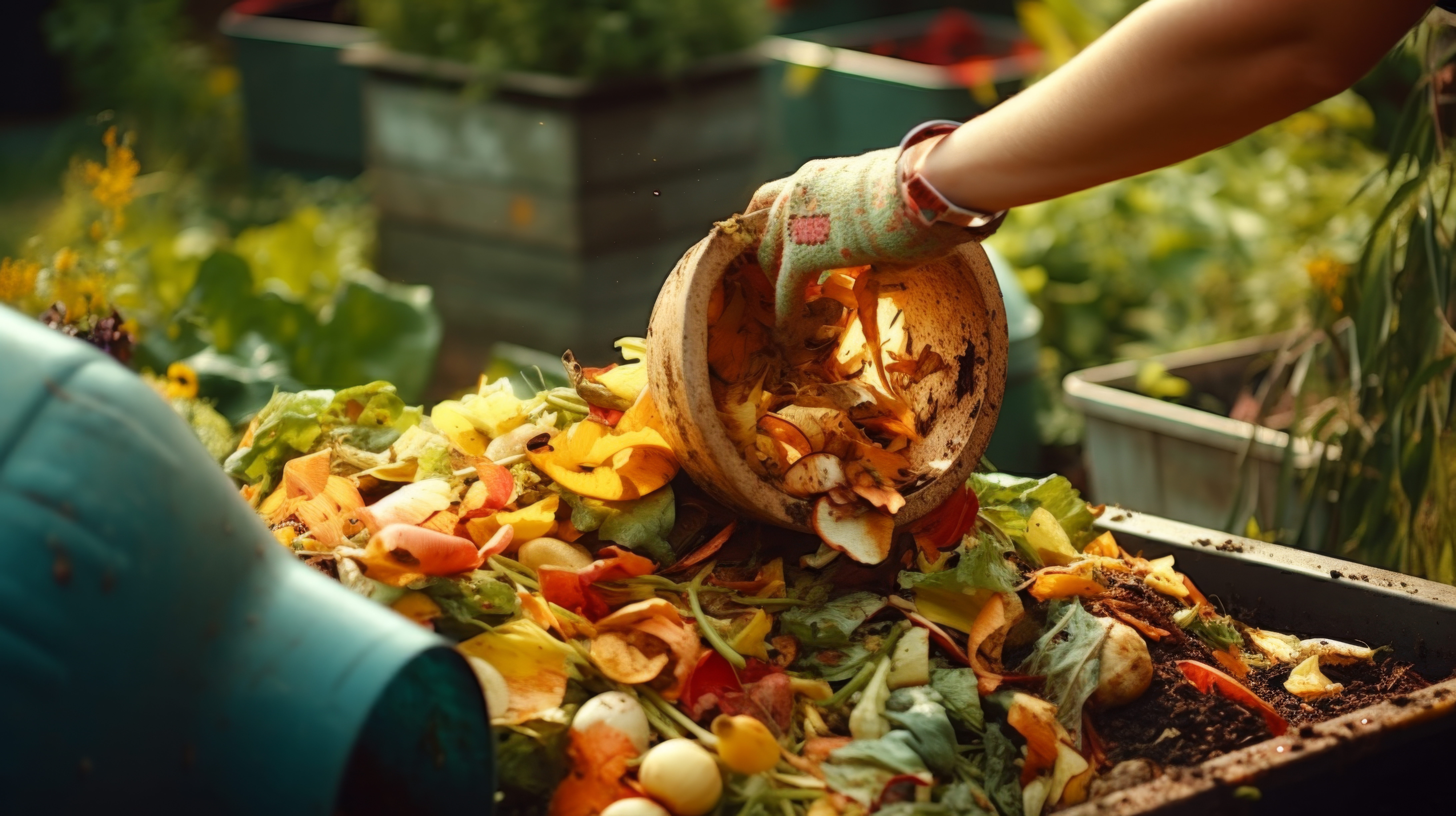
Waste is an unavoidable part of life, but how we manage it has a significant impact on our environment and future. In Dubai, and around the world, understanding the different types of waste is the first step to responsible disposal and resource conservation. Let’s delve into three key categories: organic waste, recyclable waste, and hazardous waste.
Organic Waste: Nature’s Recyclables
Organic waste encompasses any material that was once living. This includes:
- Food scraps: Fruit and vegetable peels, leftover meals, coffee grounds, eggshells, etc.
- Yard trimmings: Grass clippings, leaves, branches, and other garden waste.
- Wood: Sawdust, wood chips, and untreated wood scraps.
- Paper products: Napkins, paper towels, and non-glossy paper.
Organic waste has a unique superpower: it can be composted! Through composting, these materials break down naturally, creating nutrient-rich compost that can be used to enrich soil and grow healthy plants. By composting organic waste, we reduce the burden on landfills and return valuable nutrients back to the earth.
Recyclable Waste: Giving Materials a Second Life
Recyclable waste consists of materials that can be reprocessed into new products. This includes:
- Paper: Newspapers, magazines, cardboard boxes, and other paper products.
- Plastic: Bottles, containers, and other plastic items marked with recycling symbols.
- Metal: Aluminum cans, steel food containers, and other metal objects.
- Glass: Bottles and jars.
Recycling these materials saves energy, reduces the need for raw materials, and decreases pollution. It’s a crucial step towards a circular economy, where resources are kept in use for as long as possible. Remember to rinse food and liquid residue from recyclables before disposing of them, as contamination can hinder the recycling process.
Hazardous Waste: Handle with Care
Hazardous waste poses a risk to human health and the environment and requires special handling and disposal. This includes:
- Batteries: Household batteries, car batteries, and other types of batteries.
- Electronics: Old computers, mobile phones, televisions, and other electronic devices.
- Chemicals: Paints, solvents, pesticides, and other household or industrial chemicals.
- Medical Waste: Needles, syringes, and other medical waste.
Hazardous waste should never be disposed of in regular trash or recycling bins. It’s essential to follow local regulations for the safe and responsible disposal of these materials. Many communities have designated collection points or programs for hazardous waste disposal.
Ehfaaz’s Role in Waste Management

At Ehfaaz, we’re passionate about transforming waste into valuable resources. We specialize in collecting and processing organic waste, converting it into nutrient-rich animal feed and compost through our innovative technologies. We also offer consulting and training services to help businesses and individuals adopt circular economy practices and minimize their environmental impact.
Key Takeaway:
Understanding the different types of waste and their proper disposal is crucial for a sustainable future. By segregating waste at the source and choosing responsible disposal methods, we can reduce pollution, conserve resources, and create a healthier planet for generations to come. Let’s work together to build a circular economy where waste is minimized and resources are valued!
Call to Action:
- Learn more about Ehfaaz’s waste transformation solutions.
- Sign up for our newsletter to stay updated on the latest sustainability news and tips.
- Contact us for a free waste audit and consultation.
Remember: Every action counts! By making small changes in our daily lives and supporting businesses that prioritize sustainability, we can create a significant positive impact on our environment.