
A Looming Crisis and the Path to a Sustainable Future
The relentless march of human progress has left a trail of waste in its wake. From overflowing landfills to polluted waterways, the environmental impact of waste is undeniable. But the consequences extend far beyond the visible blight on our landscapes. Waste also exacts a heavy toll on our economies, our health, and our future.
The Environmental Cost of Waste
The environmental impact of waste is a multifaceted crisis that threatens the delicate balance of our planet. When waste is disposed of in landfills, it decomposes and releases methane, a potent greenhouse gas that contributes significantly to climate change. The Intergovernmental Panel on Climate Change (IPCC) estimates that landfills are responsible for approximately 11% of global methane emissions.
But the environmental cost of waste doesn’t stop there. The production and consumption of goods generate vast amounts of waste, depleting natural resources and polluting our air, water, and soil. The extraction of raw materials, the manufacturing process, and the transportation of goods all contribute to environmental degradation.
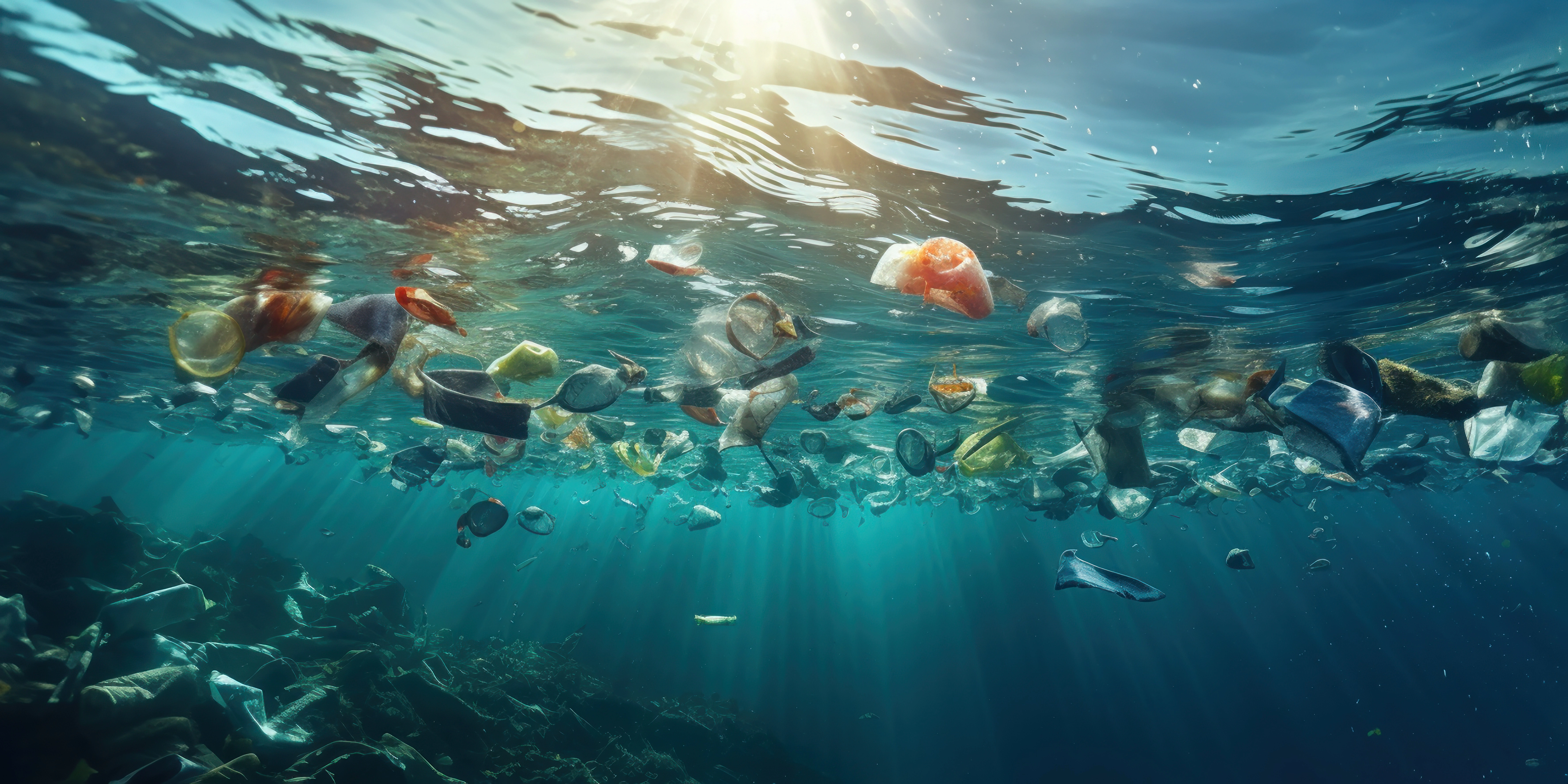
Moreover, plastic waste, a particularly pervasive problem, poses a severe threat to marine ecosystems. According to the UN Environment Programme (UNEP), an estimated 11 million tons of plastic waste enter our oceans each year, harming marine life, disrupting ecosystems, and entering the food chain.
The Economic Burden of Waste
The economic impact of waste is equally staggering. The World Bank estimates that the global cost of waste management is over $205 billion annually. This includes the cost of collection, transportation, treatment, and disposal of waste.
But the economic burden extends beyond waste management itself. The loss of valuable resources embedded in waste represents a missed opportunity for businesses and economies. The Ellen MacArthur Foundation estimates that transitioning to a circular economy, where resources are kept in use for as long as possible, could generate $4.5 trillion in economic benefits by 2030.
Furthermore, the health impacts of waste, such as air pollution and water contamination, can lead to increased healthcare costs and lost productivity. The World Health Organization (WHO) estimates that environmental factors contribute to approximately 12.6 million deaths each year.
The Path to a Sustainable Future
The good news is that we have the power to change this narrative. By embracing the principles of the circular economy and adopting sustainable waste management practices, we can turn the tide on the waste crisis and build a more prosperous and resilient future.
This involves:
- Reducing waste at the source: By consuming less, choosing durable products, and repairing instead of replacing, we can significantly reduce the amount of waste we generate.
- Reusing and repurposing: Extending the life of products through repair, reuse, and upcycling can conserve resources and reduce the need for new production.
- Recycling and composting: Recycling and composting divert valuable materials from landfills, allowing them to be transformed into new products and reducing the need for raw material extraction.
- Embracing innovation: Investing in new technologies and business models that promote resource efficiency and circularity can create new economic opportunities and drive sustainable growth.
Ehfaaz: Leading the Way
At Ehfaaz, we’re committed to being at the forefront of this transformation. Our innovative solutions, such as ReFeed, Reproco, and Recova, are turning waste into valuable resources, creating new revenue streams, and reducing environmental impact. We’re also empowering businesses and communities to adopt circular practices through our RePartner program, offering training, consulting, and data-driven insights.
Conclusion
The environmental and economic impact of waste is a pressing global challenge. But it’s also an opportunity for innovation, growth, and a more sustainable future. By embracing the circular economy and adopting responsible waste management practices, we can create a world where waste is minimized, resources are valued, and our planet thrives.